

A 3.5mm aux to RCA cable is the standard way to connect a phone, tablet or laptop to a stereo amplifier. The small plug carries both channels out of the headphone jack, and the two RCA plugs at the other end split them into left and right for any line level input marked AUX, CD or tuner. The connection itself is simple; what separates a clean result from a humming disappointment is shielding and length, and both are solved problems.
Getting the connection right
The 3.5mm plug is a TRS design: tip carries the left channel, ring carries the right, sleeve is the shared ground. On the amplifier end, red goes to the right input and white or black to the left. The one input to avoid is the one marked phono. A phono input expects a few millivolts from a turntable and applies heavy equalisation on top; feed it a headphone output and you will get a distorted shriek that has alarmed more than a few first time buyers. Any other line input will do the job properly.
Set the volume on the phone or laptop to roughly three quarters and control loudness from the amplifier. Flat out, some devices clip their own output stage; too low, and you raise the amplifier's gain enough to hear its noise floor. Three quarters is the quiet, safe middle.
Hum, noise and why shielding fixes it
This is an unbalanced connection: the signal travels on one conductor per channel with the ground doubling as the return path, which means the cable itself acts as an antenna for every electromagnetic field in the room. Over a metre or two this rarely matters. Stretch the run across a lounge room and the cable starts picking up mains hum from power cords, buzz from light dimmers and hash from routers and chargers.
Laptops add a second problem. Plug the charger in and the switch mode power supply creates a small ground loop between the laptop and the amplifier's earth, audible as a steady hum that mysteriously vanishes when you run on battery. If that is your situation, running on battery while listening is the free fix.
The structural fix is a properly shielded cable: a braided or served copper screen wrapped around the signal conductors and tied to ground, draining interference before it reaches the audio. It is the reason we build on shielded Japanese wire for these runs. The PA-02 V2 behind our Saba interconnect uses a braided 102SSC copper shield for exactly this duty, and the same thinking applies to a 3.5mm to RCA lead. Keep the cable clear of power bricks where you can, and cross mains cords at right angles rather than running alongside them.
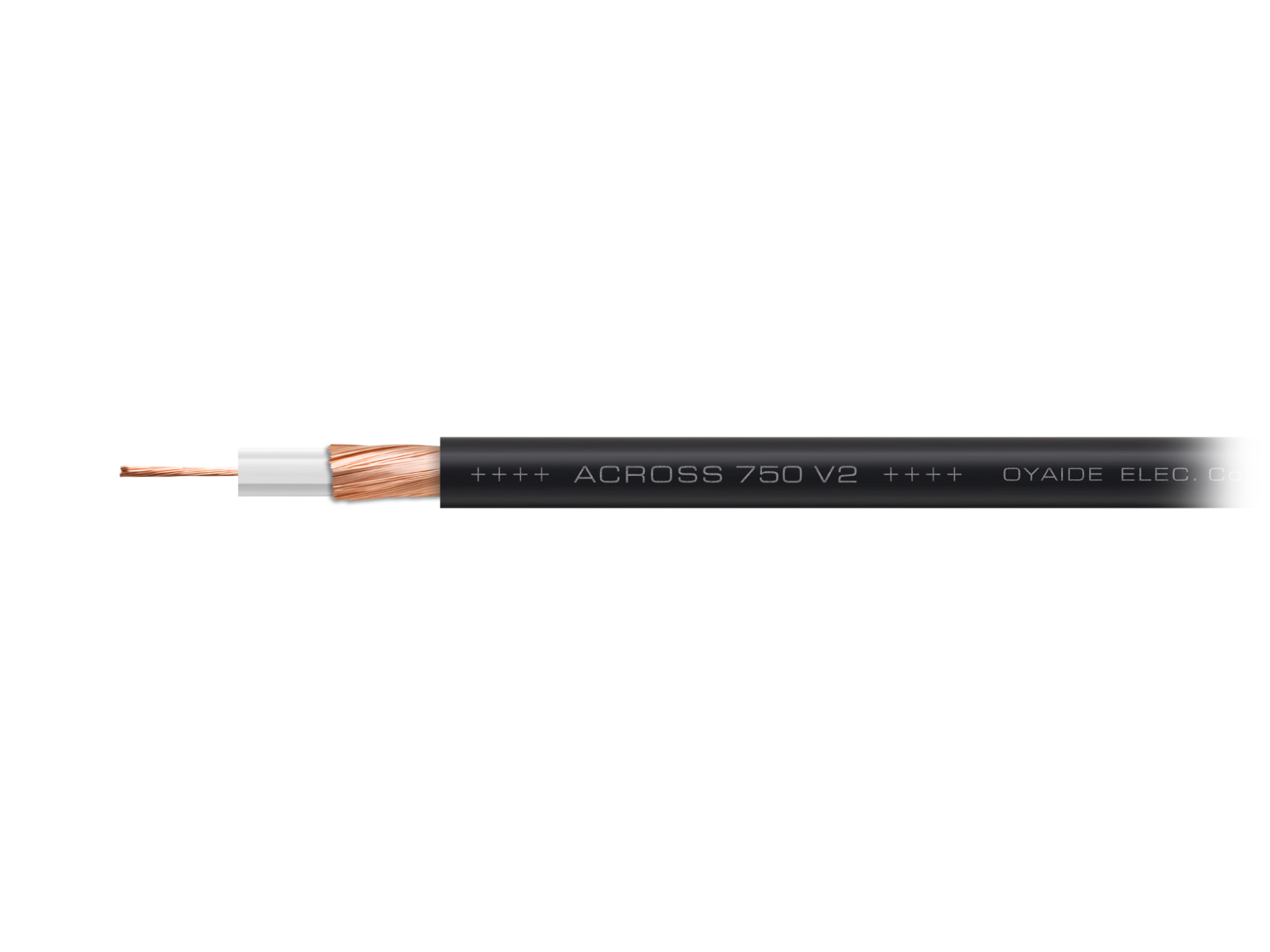
Length is the other half
Because the run is unbalanced, every extra metre is more antenna. Buy or build the length the room actually needs rather than coiling the spare behind the rack; the coil looks tidy and picks up noise tidily too. If the source genuinely has to live five or six metres from the amplifier, a better engineering answer is a small USB DAC sitting next to the amplifier, fed by the computer and connected with a short pair of RCA leads from our analogue interconnects range. For the far more common case, a metre or three from the couch or desk to the hi-fi, a well shielded 3.5mm to RCA cable is all the solution the problem needs.
Our recommendation
Off the shelf leads in this format are usually built to a price, with thin conductors, token shielding and moulded plugs that fail at the strain relief within a year. We build 3.5mm to RCA cables to order on the same shielded Japanese wire we use in our regular interconnects, cut to the exact length between your device and your amplifier and finished with connectors that will outlive the phone. Tell us the source, the amplifier and the distance on the custom order form and we will quote the build. It is one of the cheapest upgrades in the catalogue, and one of the most immediately audible.