

Interconnects are where cable scepticism is most reasonable. The voltages are tiny, the runs are short, and the differences, when they exist, are measured in shades rather than strokes. It is also where a bad cable does the most insidious damage, because noise and smear at line level get amplified by everything downstream. Oyaide's interconnect range has a consistent character we have come to think of as the house sound: nothing added, nothing lit up, and a background black enough to hear into.
The line up
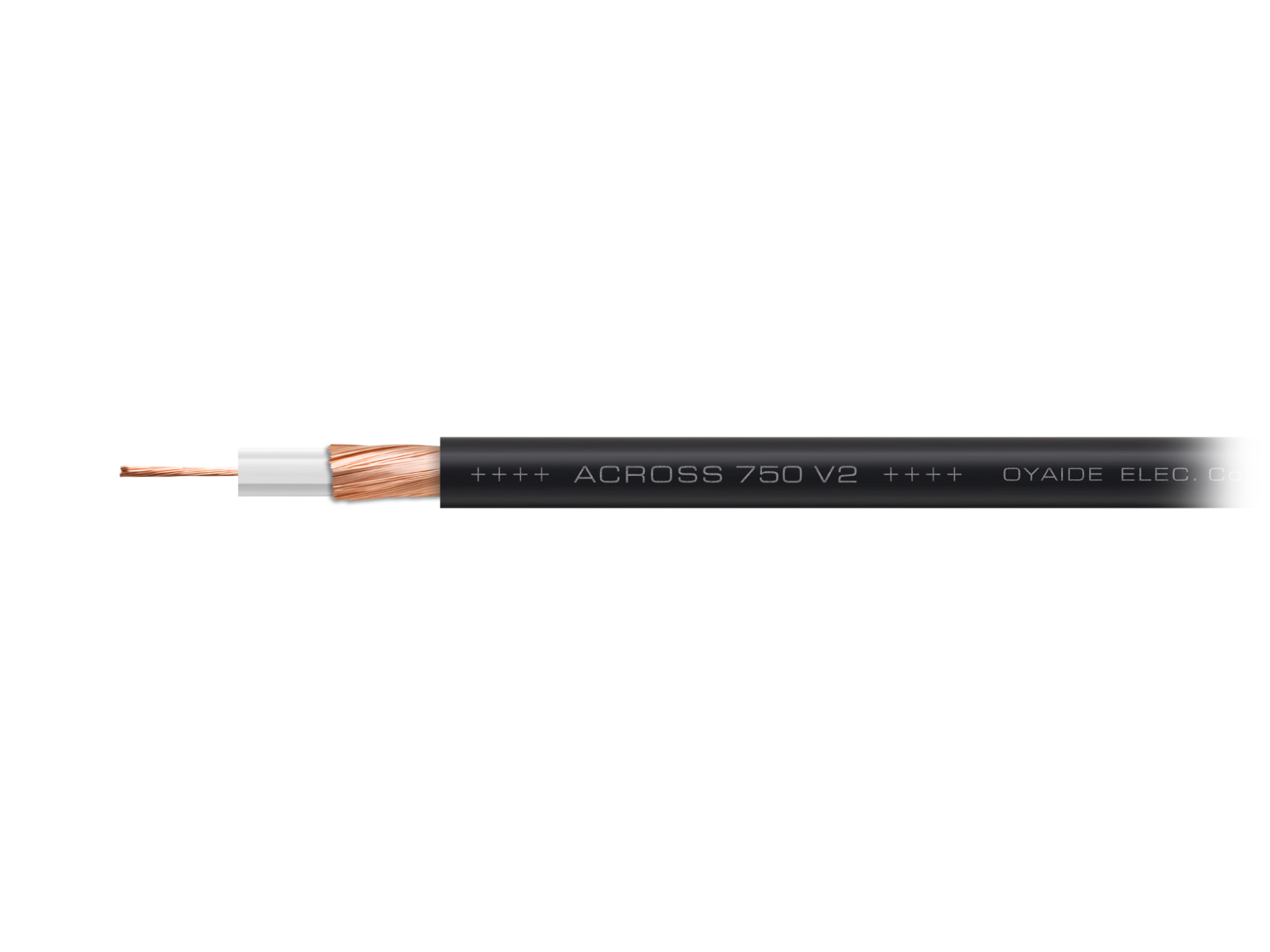
We build four Oyaide based interconnects, each with its own wire. Our Saba uses the PA-02 V2, a 102SSC design with a foamed polyethylene insulator that keeps capacitance low. The Jami RCA steps up to ACROSS 750 V2, the Jami XLR to the balanced ACROSS 900 V2, both using the C.I.S. air damper structure from the speaker cable of the same name. At the top, Nima runs the TUNAMI TERZO V2, a semi-balanced design with the TUNAMI family's three layer shielding, available as RCA or XLR.
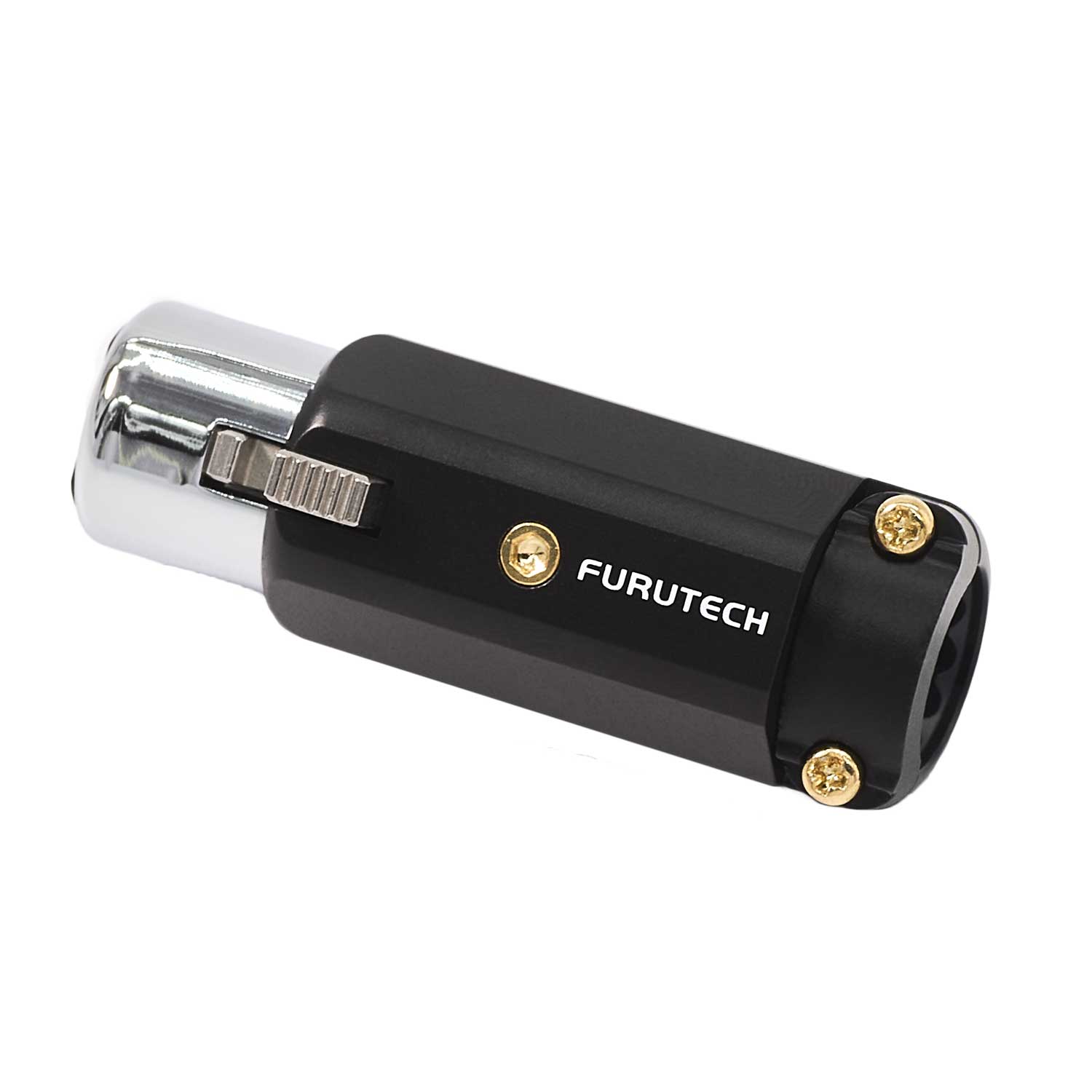
Termination matters as much as wire at this level, so every pair leaves the workshop with carbon fibre barrelled, rhodium plated pure copper connectors. Rhodium gets a bad reputation for brightness it does not entirely deserve; on these cables it reads as clean rather than cold, and it will not tarnish in a Sydney summer.
Listening
We ran the range between a DAC and an integrated amplifier over several nights. Radka Toneff's "The Moon Is a Harsh Mistress" is our standard for exactly this job: a voice and a piano, nothing to hide behind, and a recording chain so clean that any added grain stands out like a scratch on a lens. Through the Saba, the performance was intact and enjoyable, with only a slight softening of the piano's leading edges. The Jami RCA restored the hammer strike and, more telling, the sound of the sustain pedal lifting. With the Jami XLR between balanced components the stage gained a few inches of depth and Toneff's intake of breath before the final verse went from implied to obvious.
Nima, built on the TERZO V2, is the one for resolving systems. On Keith Jarrett's Koln Concert it separated the piano from the hall in a way the others only suggested, the reverberant tail hanging in the air after each run. Against that, it is the least forgiving of a bright front end; into an already analytical DAC we preferred the ACROSS based Jamis. This is a pattern with Oyaide generally: the flagship is better, but only once the system deserves it.
Verdict
For most systems the Saba or Jami RCA will do everything that matters, and the step up is easy to hear later rather than easy to regret now. If your components offer balanced connections, take them; the Jami XLR was the single biggest improvement in this survey and balanced runs reject noise by design. Every pair is made to order in your length, so you pay for the music, not the shelf stock.
See also: more on the blog and our custom order form.