

Choose XLR cables over RCA when your equipment offers true balanced connections and the run is longer than a metre or two; choose RCA when it does not. Balanced XLR interconnects reject noise picked up along the cable by design, which is why recording studios run them across entire buildings, while RCA is a perfectly good single ended connection for short runs in a quiet lounge room. The full answer needs a little more explanation, because not every XLR socket means what it appears to mean.
What balanced actually means
An RCA interconnect carries the music on one centre conductor, with the shield serving as both the return path and the ground reference. Any interference that gets past the shield is simply added to the music, and nothing downstream can tell the two apart. A balanced connection uses three conductors inside an XLR shell: pin 1 is ground, pin 2 carries the signal (conventionally the hot or positive phase, which is what people mean when they say pin 2 hot), and pin 3 carries the same signal inverted. At the receiving end, the input stage subtracts one from the other. The music, arriving in opposite phase on the two legs, doubles. The noise, having crept into both conductors equally and in the same phase, cancels.
That trick is called common mode rejection, and it works regardless of cable length, which is why balanced lines are the only wiring standard professional audio has ever taken seriously. A genuine balanced output stage also delivers twice the signal voltage, so the music works further above the noise floor to begin with. The combination is why a good XLR link sounds quieter in a way you notice between the notes rather than on them.
When it matters, and when it does not
Balanced earns its keep in three situations. Long runs: anything beyond about three metres in a typical home, where an RCA cable starts acting like an aerial. Electrically hostile rooms: power boards, chargers, WiFi routers and LED lighting all spray noise that a balanced line ignores. And mixed systems, where components on different power circuits share a signal ground and hum becomes a real risk. If none of those applies, if your DAC and amplifier sit side by side with a metre of cable between them, a well shielded RCA like our Jami RCA, from $142, will do the job beautifully, and the balanced option is a luxury rather than a fix.
One caution worth repeating: some equipment carries XLR sockets that are not truly balanced, wired for convenience with pin 3 simply grounded. Plugging a balanced cable into a pseudo balanced socket gets you an expensive RCA. Check the manual for the words balanced output before spending the difference.
A second note on pin conventions, because it trips people up. The modern standard is pin 2 hot, and virtually everything made in the last thirty years follows it. Some older gear, particularly vintage American pro equipment, was wired pin 3 hot. Mixing the two breaks nothing and adds no noise; it simply inverts absolute phase, which a small number of listeners can hear on well recorded acoustic material. If you are marrying a modern balanced cable to elderly hardware, a quick look at the manual saves a puzzling evening.
The XLR builds on our bench
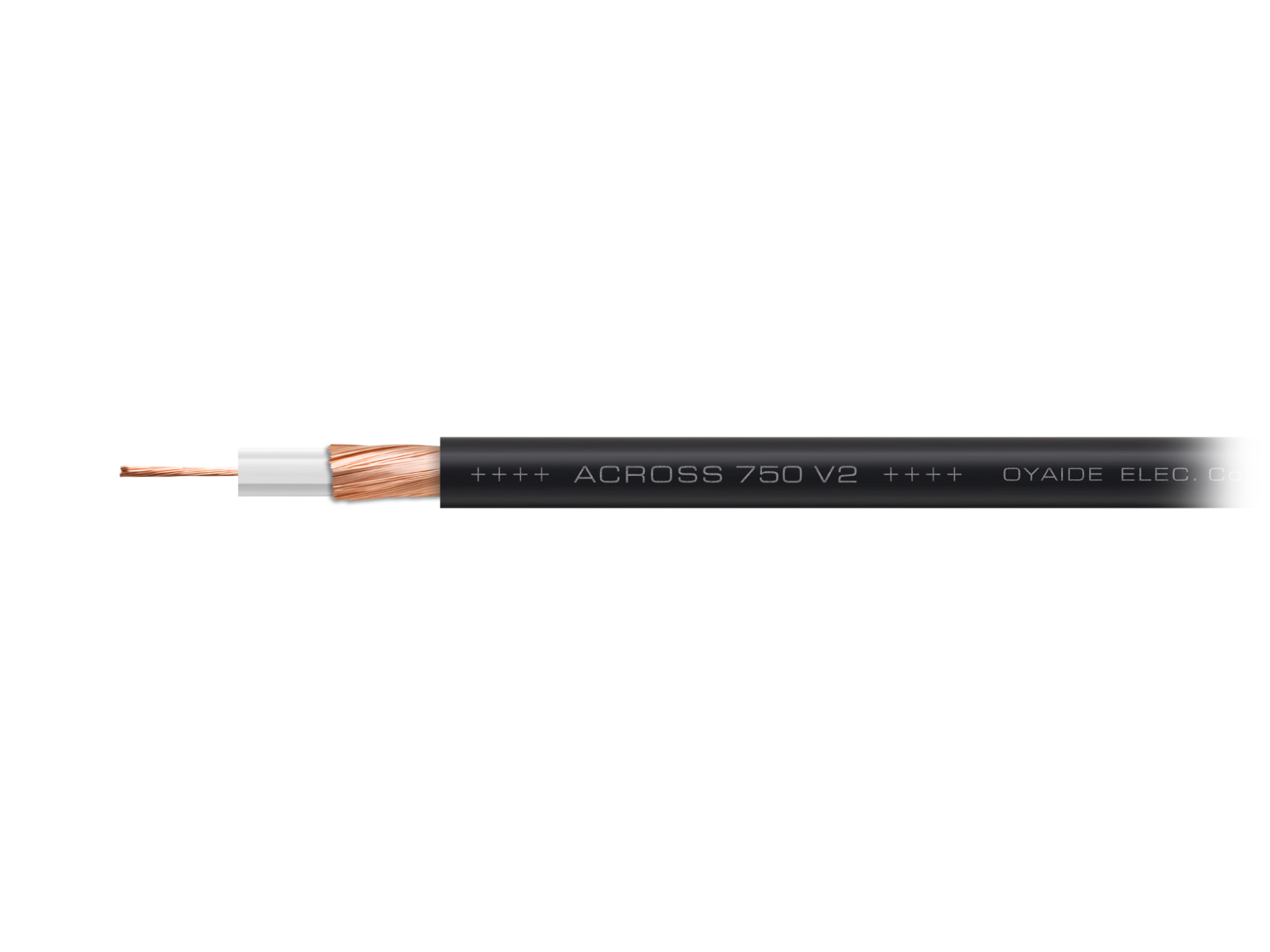
Our workshop terminates balanced interconnects from three Japanese wires. The Jami XLR, from $233, pairs Oyaide's ACROSS 900 V2 balanced wire with carbon fibre barrelled, rhodium plated XLRs; it is the build we recommend most often, and the one that convinced us balanced was worth pursuing across the whole range. Between balanced components in our own listening tests it added stage depth and background silence in equal measure, the signature of a link doing its job. The Nima, from $233, steps up to the TUNAMI TERZO V2 with its three layer shielding, available as RCA or XLR, and suits resolving systems. And the S/A Lab High End Line 4.8S XLR, from $253, is the quiet overachiever, finished with your choice of Neutrik or Furutech connectors, the latter being among the finest XLR hardware made anywhere.
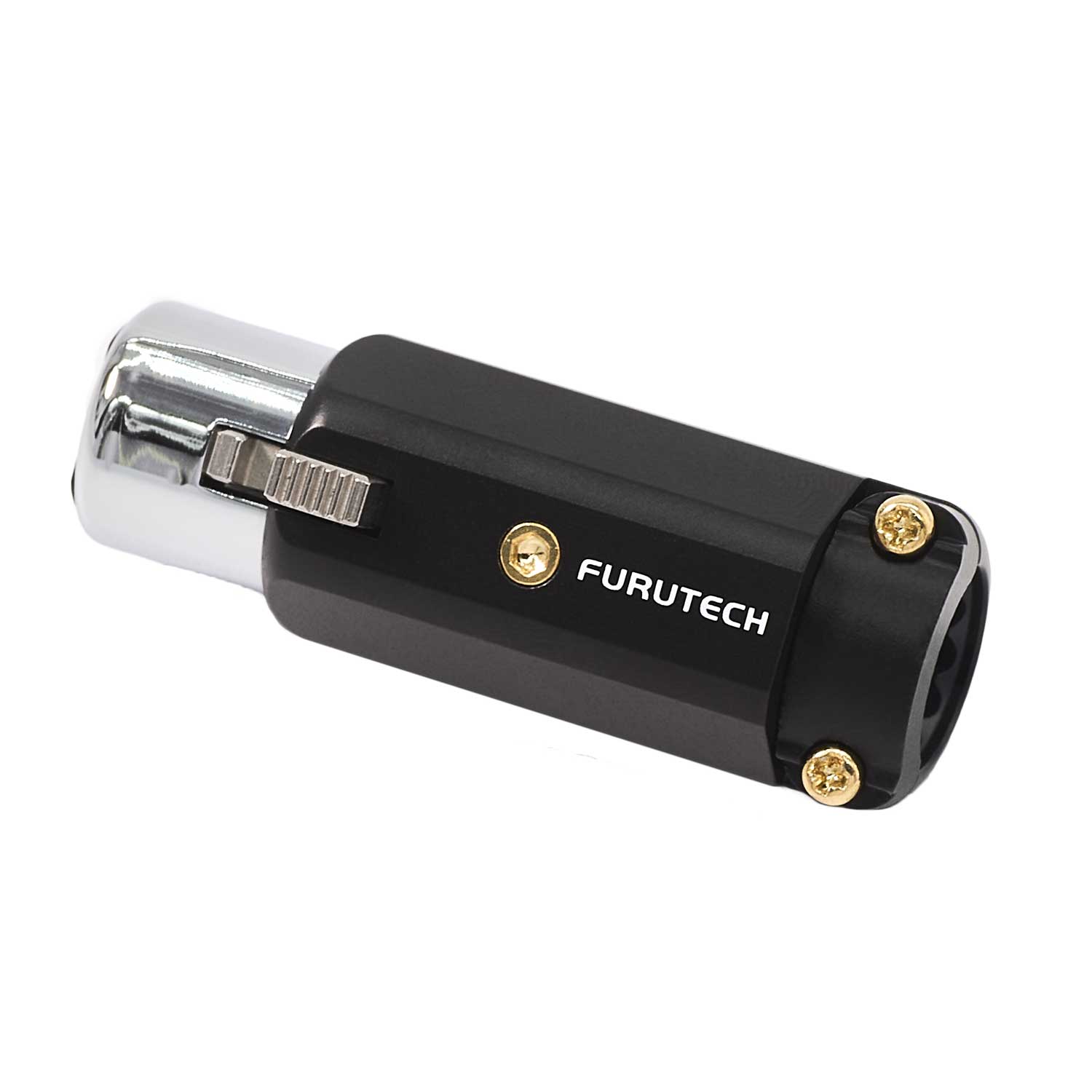
Connector quality matters more at XLR than most people expect, because the pins are small and contact pressure does the work. Oyaide and Furutech machine theirs from phosphor bronze and plate them properly, which is why we stock them rather than the shiny pot metal alternatives.
Our recommendation
If both ends of the link offer true balanced connections, take them. The analogue interconnects category lists every RCA and XLR build we make, each cut to your exact length and tested before it ships. If you are unsure whether your sockets are genuinely balanced, or your rack layout needs a specific length dressed a particular way, send the details through the custom order form and we will spec it properly.