

An HDMI 2.1 cable, properly called an Ultra High Speed HDMI cable, is certified to carry 48Gbps: the bandwidth needed for uncompressed 4K at 120Hz, 8K at 60Hz, variable refresh rate gaming and enhanced audio return over eARC. The word certified is doing the heavy lifting in that sentence. Any manufacturer can print 2.1 on a packet, but only cables that pass the HDMI Forum's testing program may wear the Ultra High Speed label, and that distinction is the whole game when buying one.
What Ultra High Speed certification actually means
The HDMI standards confuse everyone because they version the devices and the cables separately. HDMI 2.1 is a device specification: the features a TV, console or receiver can support. The cable has its own name, Ultra High Speed, and its own test. Every certified cable is verified to carry the full 48Gbps across its entire length, at every wire, with limits on the interference it may emit. An HDMI cable is a radio transmitter whether it likes it or not, and a poorly made one can knock out your WiFi. Certified cables carry a hologram label with a QR code you can scan in the official HDMI app, which confirms the certification is genuine rather than photocopied.
What the bandwidth buys
- 4K at 120Hz is the headline: full resolution at double frame rate, needing roughly 40Gbps with full colour depth, beyond the 18Gbps ceiling of older Premium High Speed cables.
- VRR (variable refresh rate) lets a console or PC sync the display to its actual frame output, eliminating screen tearing; it is the feature gamers notice most.
- eARC sends full quality audio, including Dolby Atmos over Dolby TrueHD, from the TV back down the cable to a soundbar or receiver, replacing the compromised optical link.
- ALLM (auto low latency mode) switches the TV into game mode automatically when a console wakes, which matters more in daily life than any benchmark figure.
Certified versus "2.1 ready"
Uncertified cables sold as 8K ready or 2.1 compatible are untested by definition. Some work. Many work at one metre and fail at three, because 48Gbps over passive copper is genuinely hard and attenuation rises steeply with length. The failure mode is digital rather than gradual: dropouts, sparkles, handshake failures, or the source silently negotiating down to a lower refresh rate. If a cheap cable happens to work today, a firmware update can change the handshake tomorrow. Certified cable from a known brand costs little more than the gamble, so take the certification.
Two buying details save real world grief. Buy the length you need and no more, because every extra metre of passive copper is bandwidth you are asking the cable to find, and beyond about three metres at full 48Gbps the honest answer is an active optical HDMI cable rather than a thicker passive one. And scan the QR code on the label before the packaging hits the bin; counterfeits exist, the official app check takes ten seconds, and it is the only verification that means anything.
When cable quality matters for AV
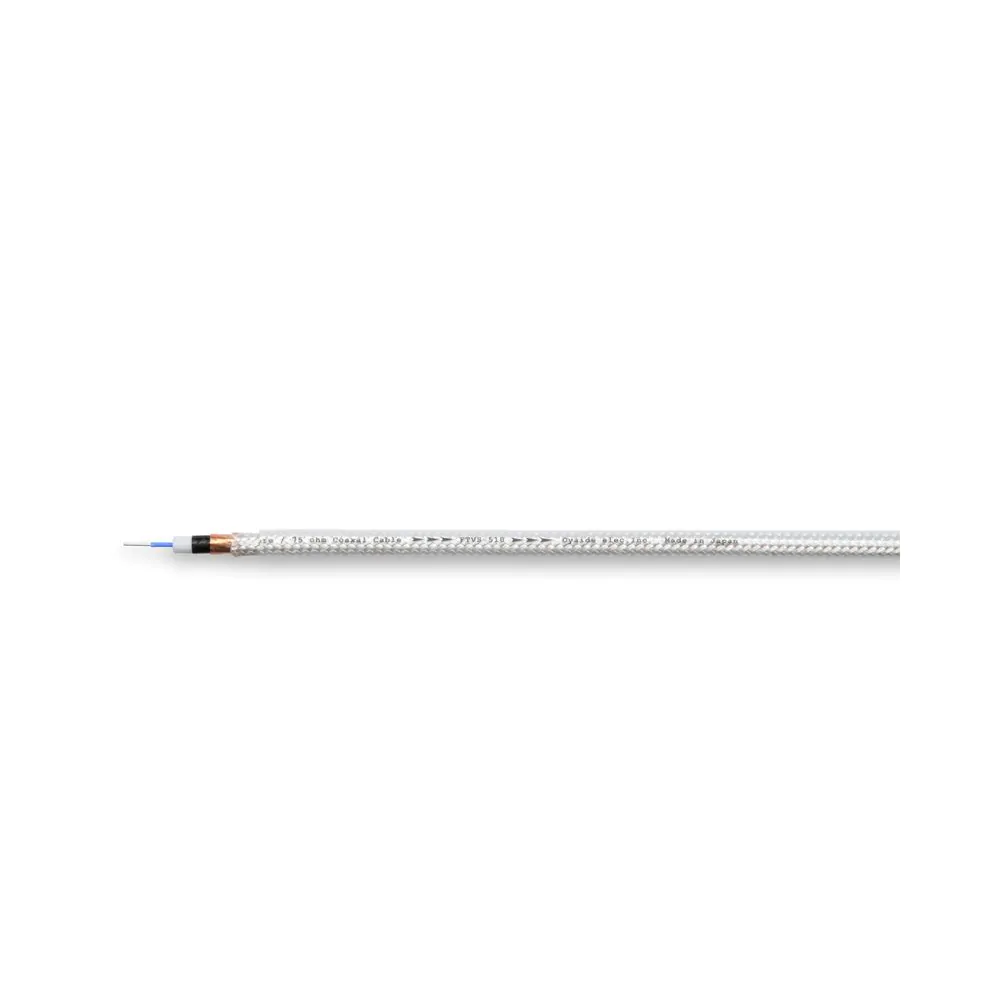
Be honest about the digital cliff: at 1080p60 or basic 4K, any decent High Speed cable delivers a perfect picture, and paying more buys nothing. Quality matters when you approach the bandwidth ceiling, meaning 4K120, 8K and long runs, where certified passive copper is reliable to about three metres and longer distances need active optical HDMI. The same logic applies to the audio side of the rack, which is where we can actually help. If your goal is better sound from the TV, a DAC fed from the television's optical or coaxial output through a properly built digital interconnect will outperform any TV speaker or budget soundbar by an embarrassing margin. Our digital cables category covers the coaxial, BNC, AES and USB builds we make in the workshop, from the Jami, from $113, upward, and the custom order form handles odd lengths and unusual terminations.