

For a subwoofer, you want a single, well shielded RCA cable from the receiver's sub or LFE output to the sub's line input, cut to the length of the actual run. For a turntable, you want a dedicated low capacitance phono interconnect with a proper earth connection, running to a phono stage and nothing else. The two jobs look similar from across the room and are electrically worlds apart, so this guide takes them one at a time.
The subwoofer run
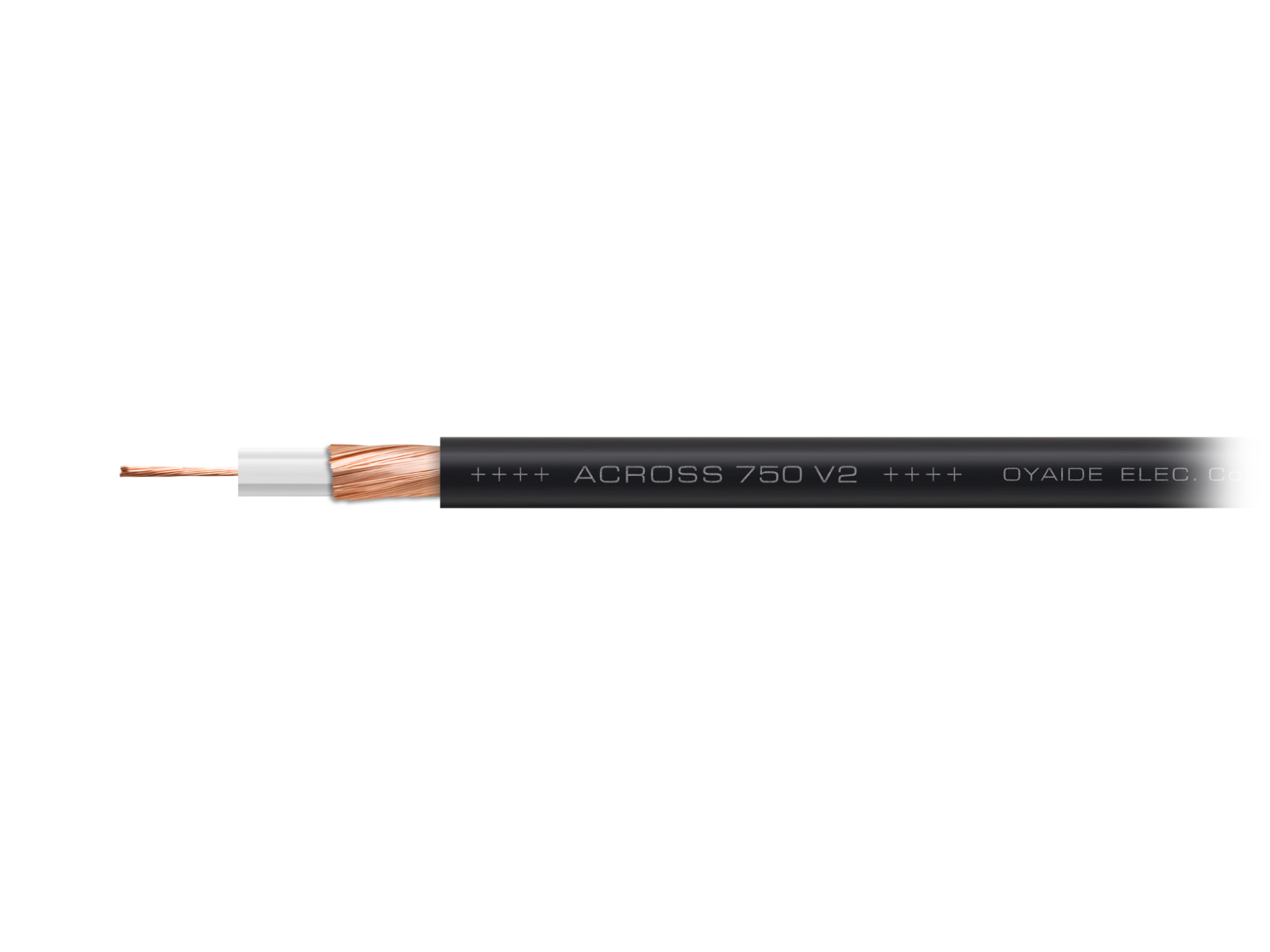
Nearly every home theatre receiver and most stereo amplifiers with sub outputs present a single RCA socket labelled sub, LFE or subwoofer. Bass below about 80Hz is summed to mono, so one plug does the whole job. The cable matters because of where it goes: five metres or more across the floor or around the skirting, crossing mains cords and power boards along the way, carrying a signal that any picked up hum will ride straight into the one speaker designed to make low frequencies obvious. A subwoofer lead is the single best argument in the catalogue for a braided shield.
Single RCA or Y-split?
Two situations create this question. The first is a subwoofer with left and right inputs fed from a single sub output. Plug one RCA into the left input, usually labelled L or mono, and most subs are perfectly happy; feeding both inputs with a Y-splitter buys a few extra decibels of input sensitivity and wakes fussier auto on circuits, and that is all it does. It is a convenience, not an upgrade. The second is an older amplifier or preamp with only a spare pair of line or pre outputs: here a stereo pair of RCAs to the sub's left and right inputs is the correct wiring, with the sub's own crossover doing the blending. If you are unsure which layout your sub expects, send us the model on the custom order form and we will confirm before you buy anything.
The turntable run: phono is not line level
Here is the warning that saves cartridges and speakers. A turntable outputs a few millivolts, hundreds of times quieter than a CD player or DAC, and that signal is RIAA equalised with the bass cut and the treble boosted. It must be connected to a phono input, either the one built into your amplifier or an outboard phono stage, which applies the matching amplification and equalisation. Plug a turntable into an ordinary AUX input and you get a thin whisper no amount of volume will fix; plug a line level source into a phono input and you get an overloaded, distorted shriek. Same plugs, completely different signal. Check the label on the socket before you connect anything.
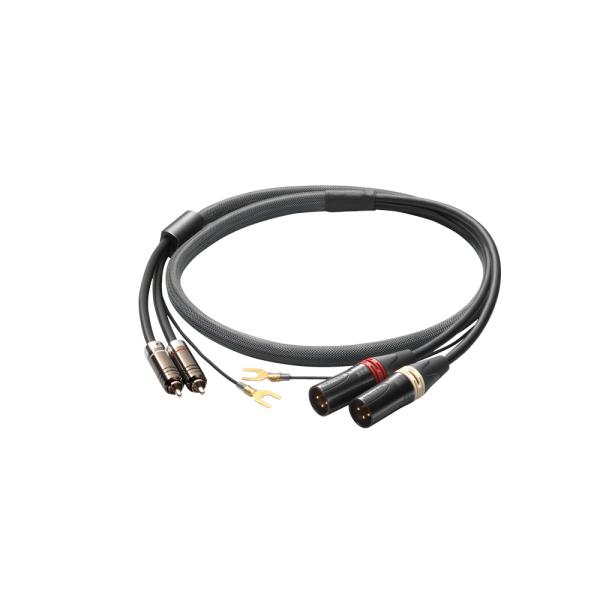
The cable itself wants low capacitance, because capacitance interacts with the cartridge's electrical characteristics and can dull the top end, and it wants serious shielding, because a millivolt signal is the easiest noise target in the system. Dedicated phono leads exist for exactly this reason; the designs we rate are in our turntable and phono category, including the Oyaide PA-2075 V2 based builds.
Ground loops and hum
A steady 50Hz hum in Australia, or 100Hz buzz, usually means a ground loop: two components finding slightly different earth potentials and arguing about it through the audio ground. Subwoofers cause it often, because the sub and the receiver are frequently on different power points. Turntables cause it when the earth wire is loose or missing entirely. Work through the fixes in order. First, check the turntable's earth wire is actually screwed down at both ends; this solves most vinyl hum in one move. Second, plug the sub and the receiver into the same power board if the layout allows. Third, dress the RCA away from mains cords and cross them at right angles where they must meet. A ground loop isolator is the last resort, because the cheap ones sit in the signal path and take some of the music with them. A well shielded cable prevents more of these problems than any gadget cures.
Our recommendation
Subwoofer: one shielded RCA per sub output, made to the true length of the run, and a Y-splitter only if the sub's auto sensing needs waking. Turntable: a dedicated phono lead with its earth connected, and a phono stage in the chain before any line input. Our analogue interconnects are cut to order in Sydney, and for a sub run of an awkward length or a phono build matched to your cartridge, the custom order form is the shortest path to the right cable the first time.