

Searching "hdmi cable kmart" usually means you need a cable today and you are hoping the eight dollar one will do. The honest answer is that it often will: at 1080p or everyday 4K60 streaming, HDMI is digital and any compliant cable delivers a perfect picture. The cheap cable falls over at the edges of the format, meaning 4K at 120Hz, 8K, longer runs and reliable eARC, and those edges are exactly where certified HDMI 2.1 cables earn their keep.
Why the supermarket assumption mostly holds
HDMI carries data, not an analogue waveform, and the signal either survives the trip intact or it visibly fails. There is no middle ground where a better cable gives you slightly richer blacks. This is why the old advice, buy the cheapest cable that works, has been broadly correct for twenty years, and why anyone claiming a hundred dollar HDMI cable improved their TV's colour at 1080p is describing expectation rather than physics.
Where the assumption breaks is bandwidth. The failure mode of an out-of-spec HDMI cable is digital and binary: dropouts, sparkles, a screen that flickers to black, or a source that quietly negotiates itself down to a lower refresh rate to keep the link alive. If your setup never asks for more than 4K60, you may never see any of this. If it does, the cable stops being a commodity.
What certified HDMI 2.1 actually means
HDMI 2.1 is a device specification, the feature list of your TV, console or receiver. The cable that carries it properly is called Ultra High Speed HDMI, and it is certified to move 48Gbps across its full length, on every wire, with limits on the interference it may emit. Any factory can print 8K ready on a packet; only cables that pass the HDMI Forum's testing program may carry the Ultra High Speed label, and certified ones ship with a hologram and a QR code you can scan in the official HDMI app. That scan is the only verification worth anything, because counterfeits of the label exist.
The 48Gbps buys a specific feature set:
- 4K at 120Hz: full resolution at double frame rate, the headline feature for PS5, Xbox Series X and gaming PCs, needing roughly 40Gbps with full colour depth.
- VRR: variable refresh rate, which syncs the display to the console's actual frame output and kills screen tearing.
- eARC: full quality audio, including Dolby Atmos over Dolby TrueHD, sent from the TV back down the cable to a soundbar or receiver.
- 8K at 60Hz: less common in Australian lounge rooms, but the ceiling the standard was built for.
Our HDMI 2.1 cable guide goes deeper into the certification scheme and what each feature costs in bandwidth.
When cable quality genuinely matters
Three situations justify spending more than Kmart money. First, gaming features: if you want 4K120 or VRR from a current console, an 18Gbps High Speed cable physically cannot carry it, and an uncertified 2.1 labelled cable is a coin toss that a firmware update can void. Second, length: 48Gbps over passive copper is reliable to about three metres, and every extra metre is bandwidth you are asking the cable to find, so longer runs call for a certified cable at short lengths or an active optical HDMI beyond them. Third, eARC reliability: a flaky audio return link produces exactly the random sound dropouts that get blamed on the soundbar, and a certified cable removes the variable.
If none of those apply, buy the cheap cable without guilt. Buy two, and keep the change for something that will actually improve the system, which brings us to the part of the rack we know best.
Do expensive audiophile HDMI cables make sense?
A brief word on the other end of the market, because honesty cuts both ways. Premium HDMI cables costing hundreds of dollars make claims about silver conductors and proprietary insulation, and some are beautifully made. The physics, however, does not change with the price tag: a certified cable either passes the full 48Gbps without error or it fails visibly. Once a cable is certified and the link is stable, more money buys better build quality and longer service life, which has some value in a cable that gets plugged and unplugged often, but it does not buy a better picture. Our advice is to stop at certified from a brand with a real warranty, and to treat anything beyond that as jewellery purchased with open eyes.
Where the real AV upgrade hides
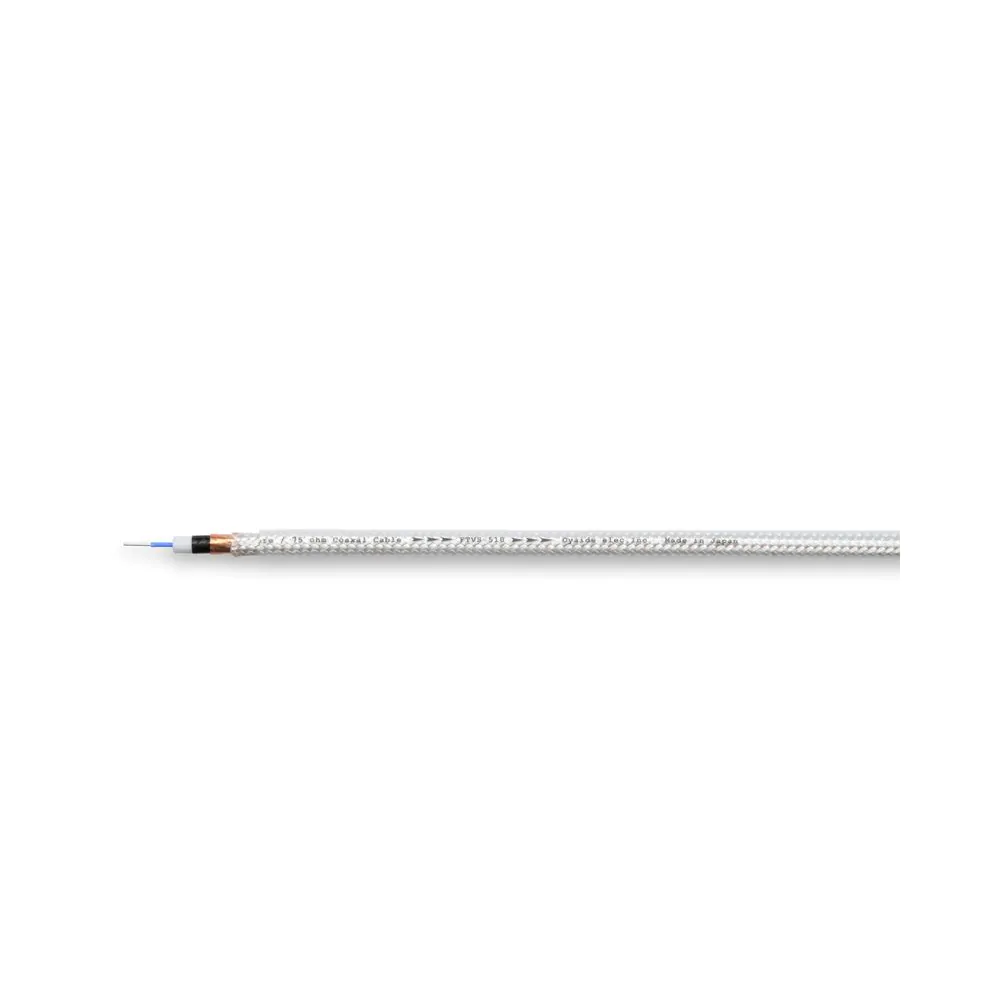
Here is the opinion we give across the counter in Bondi. Television sound is the weakest link in almost every home AV system, and no HDMI cable, cheap or expensive, will fix it. The upgrade that transforms TV audio is feeding the television's optical or coaxial output into a decent DAC and your hi-fi, and that is a cable conversation we can genuinely help with, because digital audio interconnects are what we build. A properly engineered coaxial lead from our digital cables category, starting with builds like the Jami, from $113, will do more for movie night than any amount spent upspeccing the HDMI run.
Our recommendation
Streaming and 4K60: the Kmart cable is fine, so long as it works. Gaming at 4K120, 8K, runs past three metres, or eARC that keeps dropping out: buy a certified Ultra High Speed cable, scan the QR code, and keep it short. Then put the savings where your ears can hear them. Browse the digital interconnects we hand build in Sydney in the digital cables category, and if you need an odd length or an unusual termination for the TV to DAC link, the custom order form reaches the person who will build it.